Reflecting on a beautiful period of growth and finding yet another reason to love what I do—being an SLP.
A Journey of Professional and Personal Growth
There’s a certain beauty in learning, right? That’s exactly what I experienced in Nairobi, Kenya.
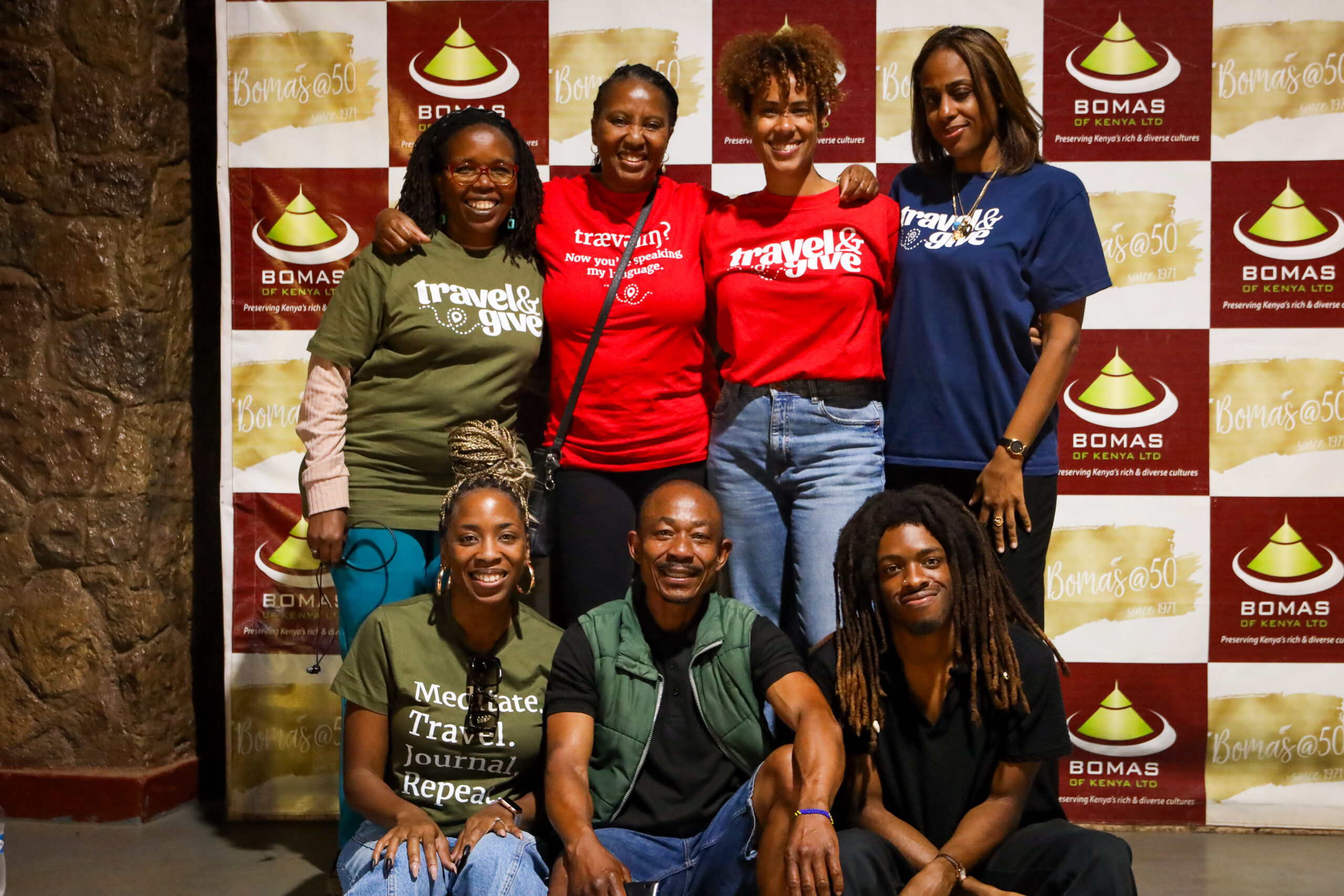
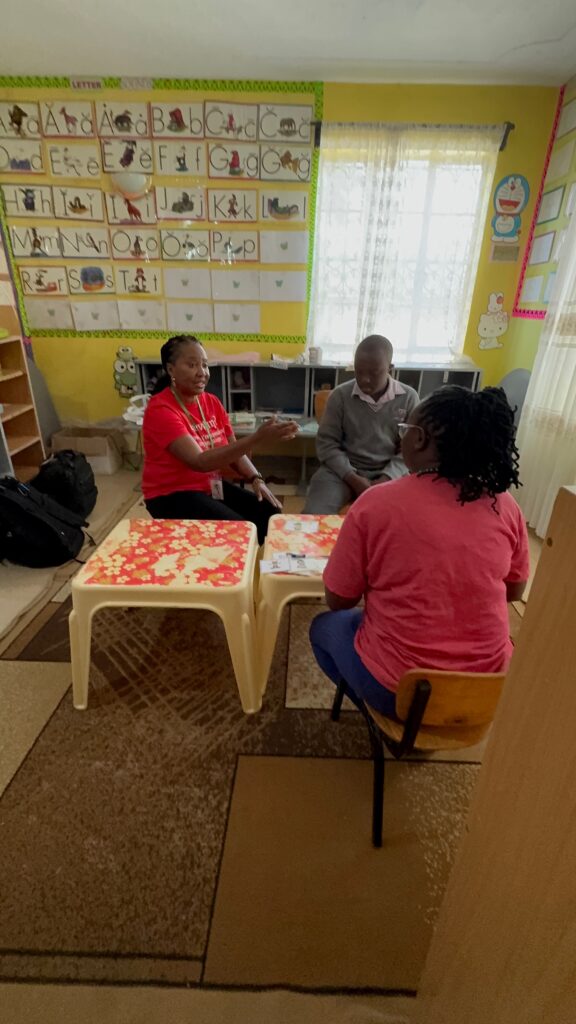
Nine months ago, I had the privilege of traveling with the Travel And Give (TAG) organization to visit our partner school in Nairobi. We conducted evaluations, met with families, collaborated with the school team, and hosted our wellness conference.
TAGs mission of helping communities globally who lack access to services—deeply resonated with me. I thought, this is why I became a Speech-Language Pathologist (SLP): to make an impact in communities with fewer resources, fewer opportunities, and less access.
For the last year and a half, I’ve had the honor of serving as the Lead Speech-Language Pathologist (SLP) for the program. This experience has enriched my life both personally and professionally, stretching me in ways I never expected.
Stepping into Kenya and Cultural Immersion
Stepping into Kenyan culture was in some ways like going back to Jamaica, my home. This community was the most welcoming with beautiful, happy children eager to share their community and show us some Kenyan love. I felt every bit of it. It felt like home even though I had never met many of these people.
There was a sense of freedom stepping on that soil that I cannot explain in depth here. I would just say, it made our Jamaican motto, “Out of Many; One people” make sense. It resonated here.
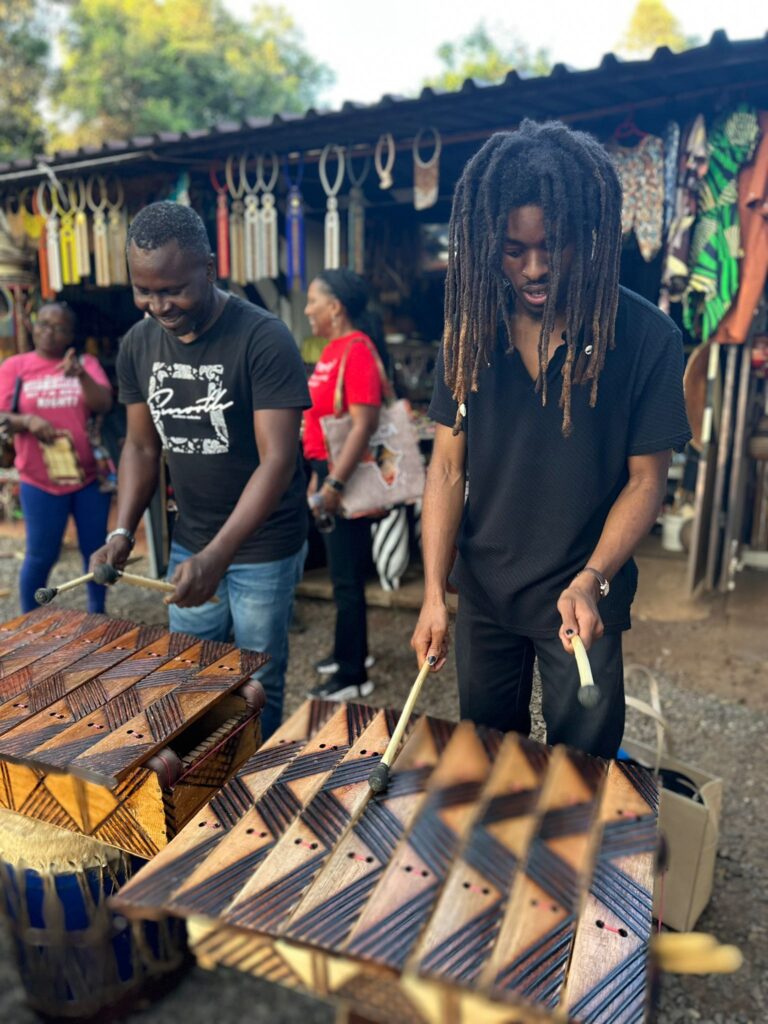
Kenya is diverse, with twenty-one tribes, many ethnic groups, and traditions. It’s a multilingual country where Swahili and English are the official languages, but many people also speak their “mother tongue”. Kenya’s culture is also rich in art, food, and music among other treasures.
Cultural Considerations and Challenges for Services in Kenya
As Lead SLP, my role included training and mentoring the therapy aide at the host site, developing lesson plans, documenting progress, and more. This work was deeply rewarding, but not without its challenges. My approach had to be adjusted quickly to account for differences in languages, cultural norms, parenting styles, religious beliefs to name a few.
Barriers to Services
Kenya, like the United States, has laws for children with disabilities, but these laws are often not enforced. This leaves many children without services and families feeling unsupported and helpless. For these children, access to services is often limited due to a lack of knowledge and awareness, religious belief, stigma, technology, transportation, and finances. As a result, many children are kept within the home—often without education or services—until their late elementary years.
In addition to those barriers, access to trained personnel is also a major challenge. In the United States, we often take for granted that when a child has a suspected disability, our school systems are a built-in resource for every child in the community. Parents simply have to reach out to their local school district, where trained professionals are available to address each area of concern at no cost. For others, private clinics are typically within reach, at least in most areas.
In Kenya, this posed a significant challenge for us, as trained personnel were limited. Even when we suspected a child may have additional disabilities, an official diagnosis could not be easily attained.
Value of Local Collaboration
Having a Kenyan therapy aide proved invaluable—bridging language gaps, navigating cultural nuances, culturally-appropriate books and therapy materials as well as during the assessments. Our collaboration was powerful because her knowledge and my skills were equally essential, each depending on the other.
What I Thought I Knew vs. What I Learned
As speech-language pathologists, we often walk into spaces as the experts in our field. And yes—we are the experts. I’m a U.S.-trained SLP with nineteen years of experience, fourteen of them in the school setting. I thought, I know what to do. I have the knowledge, the techniques, the strategies.
Well, guess what? I was quickly reminded that it takes more than that to make a real impact in diverse communities. The truth is, I already knew this—but it didn’t immediately click for me when I stepped into this role.
Coming from a Jamaican background gave me a certain level of cultural awareness, which helped me transition more quickly—but it still wasn’t automatic. I had to take a step back, listen, and make a conscious effort to show up in a way that was truly meaningful for the community I was serving.
Lessons Learned and Reflection
I learned many lessons along the way but one of the biggest lessons I learned is that we have to redefine our idea of “helping.” Too often, we come into a situation with a preconceived notion of what “help” should look like—without first assessing the actual needs and taking our cues from the community. In reality, the most meaningful impact might look very different from what we imagined.
It’s about listening. Observing. Partnering with local professionals whenever possible. It’s about humility—recognizing that our role is to serve, not to impose.
I will forever cherish this experience. The beauty of belonging—of being welcomed not just as a professional, but as a person—will stay with me.
“The beautiful thing about learning is that nobody can take it away from you.” — B.B. King
Kenya has my heart.