Where words have consequences and pronunciation matters
Did you ever dream of working in the legal system?
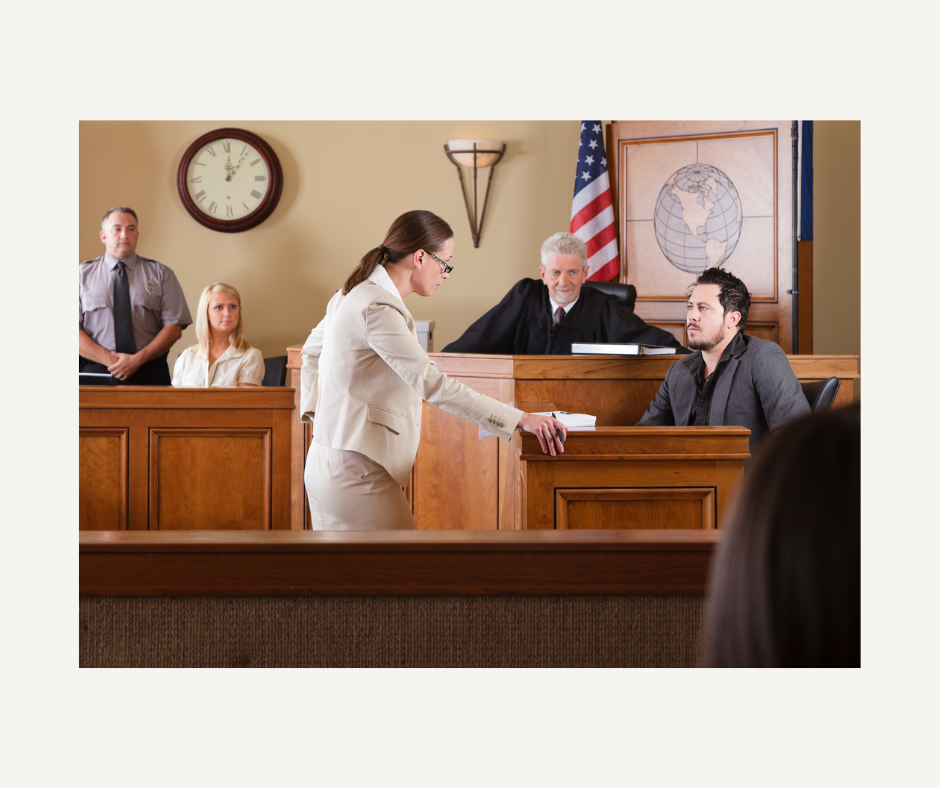
Well, neither did Speech-Language Pathologist (SLP) Betty Jones. Yet her career path led her straight into the courtroom—where words, voices, and communication can make or break a case.
With more than 44 years of experience in speech-language pathology, Betty has built a career that began in a college counselor’s office and eventually expanded into schools, hospitals, private practice, and, most unexpectedly, the legal system.
A Journey Rooted in Communication
Betty’s story began with uncertainty. As a college student unsure of her career direction, she sought guidance from a counselor. That conversation opened the door to the field of communication sciences and disorders, where she found her calling.
After graduation, her first professional step came through an opportunity discovered at an ASHA convention in Chicago. This led to her first job at the University of Texas Medical Branch in Galveston, where she worked with:
- Adults with voice disorders, head trauma, and laryngectomies
- Prisoners with vocal nodules caused by vocal abuse
- Children with cleft palates and other speech/language disorders
From there, Betty expanded into school-based work, private practice, and ultimately, the courtroom.
How She Entered the Courtroom
Betty’s foray into the legal world started with a pamphlet she wrote, titled “Speak Like a Leader.” The piece caught the attention of the Houston Chronicle, and before long, a man working with the courts reached out. He saw how her expertise could benefit clients preparing for trial.
Since then, Betty has become a vital part of legal teams—helping witnesses, attorneys, and others refine their communication before stepping into the courtroom.
What Her Work Looks Like
Betty’s role often begins with mock trials, where attorneys test their cases in front of mock jurors. She supports the process by:
- Preparing witnesses for testimony
- Coaching attorneys on clarity and delivery
- Reviewing visuals and evidence for effective communication
- Reading and analyzing depositions
- Identifying ambiguous or loaded words that may cause problems
As she explains, “I have to teach them how to listen in a different way, as the rules of conversations don’t apply in a courtroom.”
Witness preparation is a key part of her work. This involves teaching individuals how to manage stress, stay clear under pressure, and respond accurately without adding unnecessary details. Because, as Betty emphasizes, “Words have consequences.”
When Pronunciation and Perception Matter
In cases involving intellectual property and patents, accent reduction or modification often comes into play. Some clients seek this training to:
- Improve intelligibility
- Overcome cultural bias or discrimination
- Remove barriers in professional or legal contexts
In high-stakes situations, even how a person’s speech sounds can influence credibility. Betty’s linguistic expertise helps clients be better understood and more fairly perceived.
What Sets an SLP Apart in the Legal Arena
While many courtroom consultants come from psychology or law, Betty’s speech-language background gives her a unique edge. She focuses on the power and ambiguity of words, as well as the mechanics of communication under stress.
This perspective has proven invaluable, both to the legal teams she supports and to the clients who must rely on their words in the courtroom.
Betty sums it up best: she finds the process “fascinating”—because in this arena, language is more than communication; it’s strategy, perception, and ultimately, justice.