Autism is a word most of us have heard before—maybe through a family member, a friend, or just from hearing about it in the news. It’s pretty familiar to many people. But what if I told you that’s not the case in the Somali American community?
Autism Spectrum Disorder (ASD) is a condition whose diagnoses have drastically increased nationwide, affecting the Somali-American community in an unprecedented way.
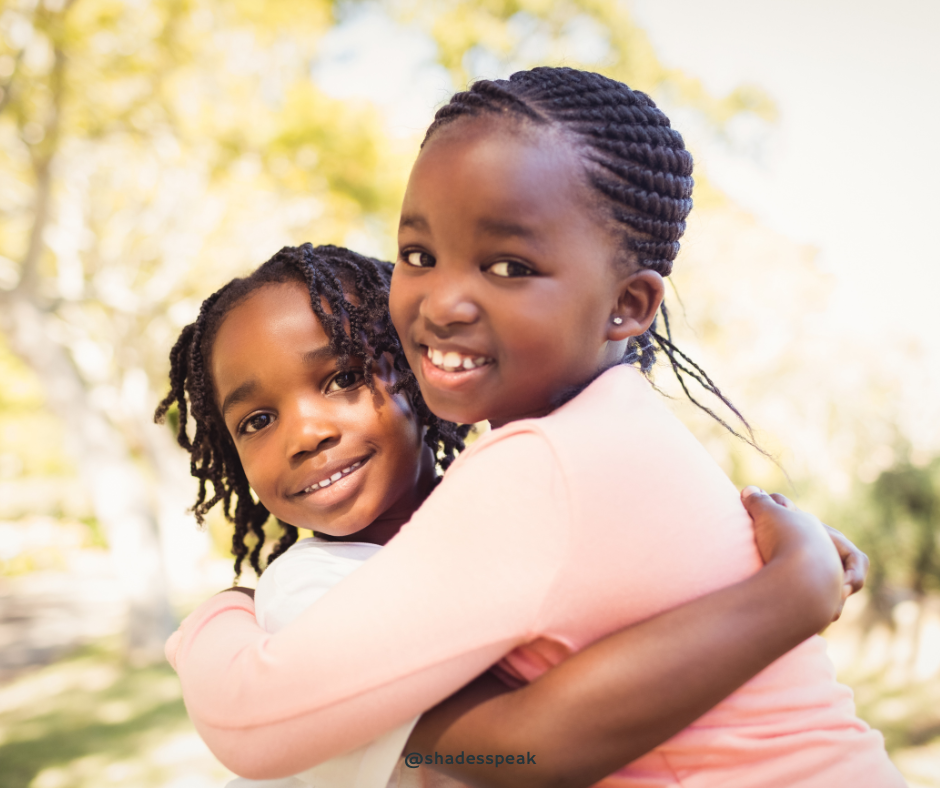
This story isn’t about statistics. It’s about real families like Anisa Hagi-Mohamed and her three children, diagnosed with autism. For many families, the journey begins with denial and grief but can emerge in beautiful ways with the information, family and community support.
The Startling Statistics
The prevalence of autism in the United States has shifted dramatically, from 1 in 150 children in 2000. The numbers then soared to approximately 1 in 31 children aged 8 years in 2022.
A 2023 Centers for Disease Control (CDC) autism survey revealed a striking statistic: 1 in 16 Somali-Minnesota 4-year-olds has received an autism diagnosis. This is approximately three times higher than children of the same age in the general Minnesota population (1 in 53).
Cultural Challenges and Perceptions
Diagnosing autism for this group is complicated. One of those complication is the lack of vocabulary term to describe the disorder as the concept is new. “Maangaar,” meaning “unique mind,” has been used to describe the condition. This helps families to see autism through a positive lense with hopes of wider community acceptance.This is further complicated by cultural perceptions and systemic barriers.
Still, stigma is a big issue. Some families worry about being judged or excluded. Others believe autism might be caused by vaccines, and spiritual forces like the “evil eye”. This can lead them to seek help from traditional healers instead of medical professionals.
Another factor is consanguinity, marriages between relatives. This is common in Somali culture and may play a role in increased autism risk, at least that’s the theory.This is a sensitive topic which calls for careful and cultural sensitivity when supporting families.
Delayed Diagnoses: A Costly Disadvantage
Language barriers, cultural beliefs, and lack of knowledge of the U.S. healthcare and education systems often delay diagnosis. This is further complicated by a shortage of culturally competent professionals, further contributing to delayed diagnoses.
Instead of autism, many Somali children receive a labeled of “developmental delays” until around 7 years old. This delay compounds the problem. Although some services are typically received, it’s limited when compared to the vast amount of supports that are available to children with autism. This includes early intervention services.
A Community Rises: Building Bridges and Fostering Hope
Despite the significant challenges, the Somali American community continues to display remarkable resilience. This effort is largely due to parent activists and community leaders, and powerful advocacy.
One such program is the St. David’s Center East African Autism Day Treatment program in Minneapolis. Center to this program is culturally responsive practices which includes the East African community, infusing language and culture to remove barriers.
Another community-led organization leading the charge is Somali Parents Autism Network (SPAN), founded in 2014. SPAN’s mission is to educate, inform, and connect Somali families with essential resources. And like the St. David’s Center, builds trust by using East African staff, giving families a sense of belonging.
This demonstrates that interventions in diverse communities must move beyond a one-size-fits-all approach. Culture matters. Trust Matters. Community Matters. Collaboration is a must to ensure children and family success.
Faith and Community: Untapped Resources of Strength
Support for Somali families and children with autism goes beyond formal programs.
Dr. Deeqaifrah Hussein stresses the need to have a community-wide approach when addressing autism in this community. It is her belief that Mosques can play a crucial role in fostering understanding, acceptance, and guiding families to resources.
Considerations For Speech Therapy Services
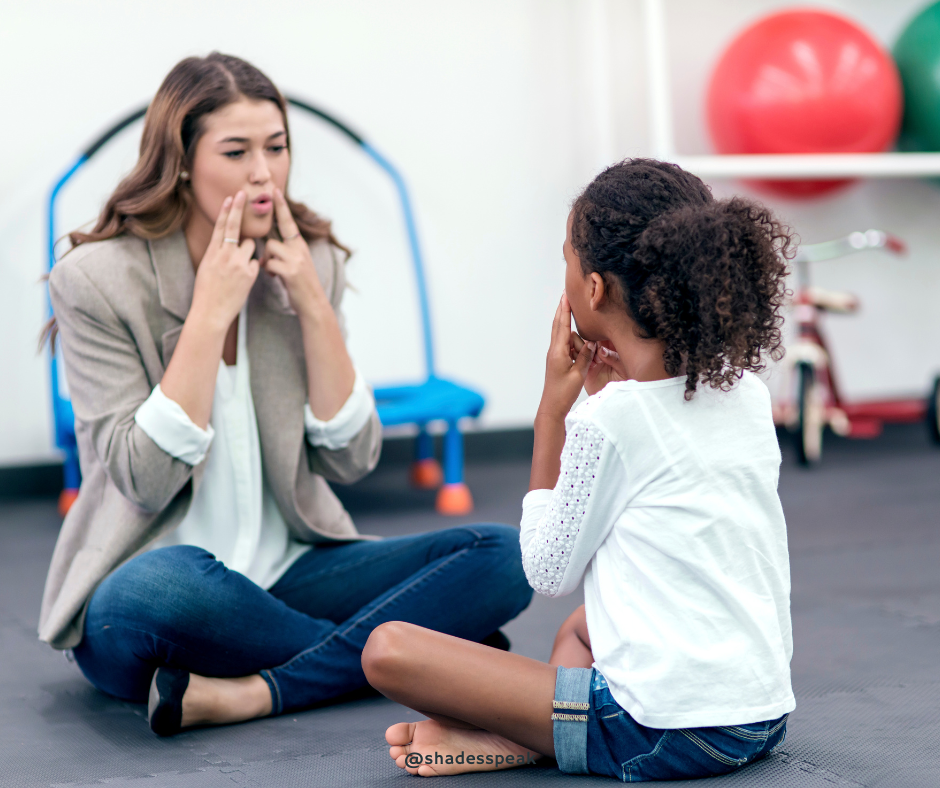
Speech therapy services are essential and must include a nuanced approach to be effective. Language, culture, and community needs are central to providing therapy for children. Meet families where they are. Here’s what effective therapy for Somali children with autism should include:
1. Cultural Sensitivity
- Learn about Somali values, traditions, parenting style and family roles.
- Approach families with humility, as a learner of their culture.
- Respect family beliefs about disabilities and mental health.
- Affirm that parents are the expert of their children.
2. Language Matters
- Encourage families to keep speaking Somali (or Arabic) at home, it helps children develop their language skills.
- Use bilingual assessments, including dynamic assessment, to avoid confusing language differences with actual disorders.
- Use trained interpreters who understand the language, autism and the culture.
3. Support the Whole Family
- Give parents simple strategies they can use during everyday routines.
- Partner with community leaders to spread awareness and reduce fear.
Final Thought
Autism is a complex disorder which can be complicated by cultural and linguistic differences. This is especially challenges as norms within community differs in diverse communities and groups. By listening, supporting, and honoring cultural differences, we can help children get the care they deserve—early, respectfully, and effectively.